櫻井 敏博 教授 [Toshihiro Sakurai]
担当授業科目
生物学Ia/生物学Ib/機能形態学C/栄養化学/公衆衛生学I/公衆衛生学II/衛生薬学実習/衛生薬学演習/特別実習
主な研究
主な研究テーマ
1.胎盤形成の分子メカニズムを解明し、妊娠成立のしくみを理解する
哺乳類の妊娠は、受精、着床、胎盤形成という一連の過程を経て成立します。なかでも、着床から初期胎盤形成までの時期は妊娠の成否を左右する重要なステージであり、その異常はヒトでは不妊や流産、家畜では受胎率低下の重要な要因となります。
本研究室では、ウシやヒツジをモデルとして、胚と子宮内膜の相互作用、妊娠認識因子であるインターフェロン・タウ(IFNT)の発現制御、栄養膜細胞(トロホブラスト)の分化・細胞融合、二核栄養膜細胞(BNC)の形成機構を解析しています。また、低酸素環境やWntシグナルなどが栄養膜細胞の分化や胎盤形成に果たす役割を明らかにすることで、妊娠成立・維持を支える分子基盤の解明を目指しています。
2.胎盤はどのように進化したのか―胎盤進化の分子メカニズムを解明する
胎盤は哺乳類の妊娠を支える重要な器官ですが、その形態や構造、母体と胎児の接し方は動物種によって大きく異なります。こうした胎盤の多様性が進化の過程でどのように生み出されてきたのかは、生殖生物学・進化生物学における重要な課題です。
本研究室では、比較ゲノム解析やバイオインフォマティクスを用いて、内在性レトロウイルス(ERV)やLTR配列が胎盤形成や遺伝子発現制御に果たす役割を研究しています。特に、反芻動物に特徴的なERV由来遺伝子やIFNT遺伝子群の起源と進化を解析し、ウイルス由来配列やゲノムの変化が、どのように胎盤形成機構や種特異的な胎盤形態の獲得に寄与してきたのかを明らかにすることを目指しています。
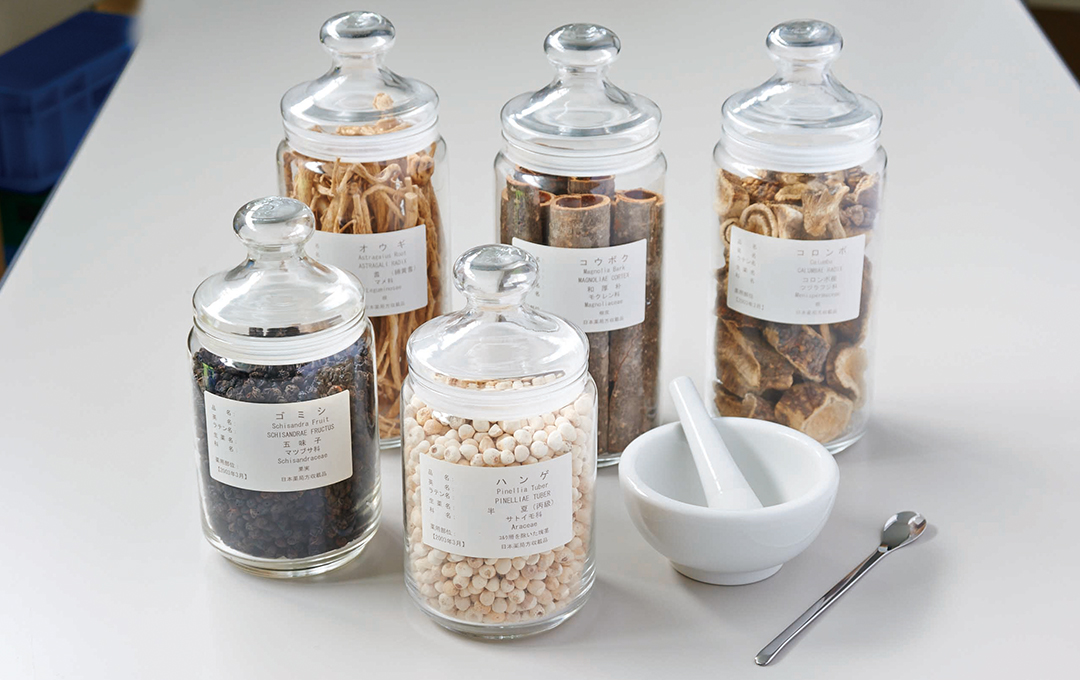
3.漢方薬の安全性を科学的に評価し、妊娠期の安全な薬物療法に貢献する
妊婦を対象とした臨床試験には倫理的な制約があるため、妊娠中に使用される医薬品や漢方薬の安全性については、十分な科学的根拠が得られていないものも少なくありません。
本研究室では、培養細胞や分子生物学的手法を用いて、医薬品や漢方薬が胎盤形成や胎児発生に及ぼす影響を評価しています。催奇形性や胎児毒性だけでなく、胎盤を構成する栄養膜細胞の分化や細胞融合などへの影響も解析し、安全性に関する科学的エビデンスを構築することで、妊婦がより安心して医薬品や漢方薬を使用できる医療の実現に貢献することを目指しています。
Main Research Themes
1.Understanding the Molecular Mechanisms of Placental Development and Pregnancy Establishment
Mammalian pregnancy is established through a series of processes including fertilization, implantation, and placental development. In particular, the period from implantation to early placental development is a critical stage that strongly influences pregnancy success. Abnormalities during this period are important factors associated with infertility and pregnancy loss in humans and reduced reproductive efficiency in livestock.
Our laboratory uses cattle and sheep as experimental models to investigate embryo–maternal interactions, the regulation of interferon tau (IFNT), a key pregnancy recognition signal in ruminants, and the mechanisms underlying trophoblast differentiation, cell fusion, and the formation of binucleate trophoblast cells (BNCs). We also investigate how cellular and environmental signals, including hypoxic conditions and Wnt signaling, regulate trophoblast differentiation and placental development. Through these studies, we aim to elucidate the molecular basis that supports the establishment and maintenance of pregnancy.
2.How Did the Placenta Evolve? — Elucidating the Molecular Mechanisms of Placental Evolution
The placenta is an essential organ that supports mammalian pregnancy, yet its morphology, structure, and the nature of the maternal–fetal interface differ markedly among species. Understanding how such placental diversity arose during evolution is an important question in reproductive and evolutionary biology.
Our laboratory uses comparative genomics and bioinformatics to investigate the roles of endogenous retroviruses (ERVs) and long terminal repeat (LTR) sequences in placental development and gene regulation. In particular, we study the origin and evolution of ERV-derived genes and IFNT gene families characteristic of ruminants. Our goal is to understand how virus-derived sequences and other genomic changes have contributed to the evolution of placental development and the emergence of species-specific placental structures and functions.
3.Scientifically Evaluating the Safety of Kampo Medicines during Pregnancy
Clinical trials involving pregnant women are subject to significant ethical constraints. Consequently, sufficient scientific evidence regarding the safety of some medicines, including Kampo medicines, during pregnancy remains limited.
Our laboratory uses cultured cells and molecular biological approaches to evaluate the effects of medicines and Kampo formulations on placental development and fetal development. In addition to assessing potential teratogenicity and developmental toxicity, we investigate their effects on trophoblast differentiation and cell fusion. By establishing scientific evidence for their safety, we aim to contribute to safer pharmacotherapy for pregnant women and their developing fetuses.
研究
胎盤形成の分子機構と胎盤進化の解明
哺乳類の生命は、受精、胚発生、着床、胎盤形成、胎児発育を経て誕生します。この一連の過程の中でも、着床から初期胎盤形成に至る時期は妊娠の成否を左右する重要なステージであり、その異常はヒトでは不妊や流産、家畜では受胎率低下の要因となっています。
ヒトでは、生殖補助医療(Assisted Reproductive Technology; ART)において良好な胚を移植しても必ずしも妊娠が成立するわけではなく、ウシにおいても人工授精や胚移植後の妊娠初期に多くの胚が失われます。これは、胚の質だけでなく、胚を受け入れる子宮内環境と、その後の正常な胎盤形成が妊娠成立を大きく左右していることを示しています。
本研究室では、ウシやヒツジなどの反芻動物をモデルとして、胚と子宮内膜との相互作用や妊娠認識機構に着目し、反芻動物に特徴的な妊娠認識因子であるインターフェロン・タウ(Interferon tau; IFNT)の発現制御や、妊娠成立に必要な子宮内環境を形成する分子機構の解明に取り組んでいます。また、胎盤形成初期における栄養膜細胞(トロホブラスト)の分化・細胞融合、ならびにウシ胎盤に特徴的な二核栄養膜細胞(Binucleate Cell; BNC)の形成機構を解析し、低酸素環境やWntシグナルなどが栄養膜細胞の分化と胎盤形成に果たす役割について研究を進めています。
さらに、胎盤形成と胎盤進化を結びつける重要な因子として、内在性レトロウイルス(Endogenous Retroviruses; ERVs)に注目しています。ERVは、進化の過程で生殖細胞系列に感染したレトロウイルスに由来し、その配列が宿主ゲノムに固定され、世代を超えて受け継がれてきたものです。ERV由来配列の一部は、Syncytinに代表される胎盤の細胞融合に関与する因子として利用されるだけでなく、LTR(Long Terminal Repeat)を介して周辺遺伝子の発現を調節する遺伝子制御配列としても機能します。本研究室では、ウシ胎盤で細胞融合に関与するBERV-K1由来Fematrin-1をはじめとするERV由来遺伝子の機能や発現制御を解析するとともに、胎盤形成に関与する新たなERV/LTR因子の探索を進めています。
近年では、公開ゲノム情報、比較ゲノム解析およびバイオインフォマティクスを活用し、反芻動物におけるIFNT遺伝子群の起源と進化、ERV/LTR配列の獲得と多様化、さらにこれらのゲノム変化と胎盤形成機構との関係を解析しています。細胞・分子生物学的な機能解析と進化ゲノム学を融合することで、「胎盤はどのように形成され、その分子機構は進化の過程でどのように獲得されてきたのか」という根本的な問いに挑戦しています。これらの研究を通して、哺乳類における妊娠・胎盤進化の理解を深めるとともに、ヒトの生殖医療や家畜繁殖技術の発展に貢献することを目指しています。
Molecular Mechanisms of Placental Development and Evolution
Mammalian life begins with fertilization and proceeds through embryonic development, implantation, placental development, and fetal growth before birth. Among these processes, the period from implantation to early placental development represents a critical stage that strongly influences pregnancy success. Abnormalities during this period are associated with infertility and pregnancy loss in humans and with reduced reproductive efficiency in livestock.
Even when high-quality embryos are transferred during assisted reproductive technology (ART), pregnancy is not always successfully established. Similarly, in cattle, substantial embryonic loss occurs during early pregnancy following artificial insemination or embryo transfer. These observations indicate that pregnancy success depends not only on embryo quality but also on the uterine environment that supports the embryo and the subsequent establishment of normal placental development.
Our laboratory uses ruminants, particularly cattle and sheep, as experimental models to investigate embryo–maternal interactions and the molecular mechanisms underlying maternal recognition of pregnancy. A major focus of our research is interferon tau (IFNT), a pregnancy recognition signal characteristic of ruminants [1]. We investigate the regulation of IFNT expression and the molecular mechanisms that establish a uterine environment capable of supporting pregnancy. We also study the differentiation and cell fusion of trophoblast cells during early placental development, with particular emphasis on the formation of binucleate trophoblast cells (BNCs), a characteristic feature of the ruminant placenta [2]. Our current studies examine how cellular signals, including hypoxic conditions and Wnt signaling, regulate trophoblast differentiation and placental development.
Another major focus of our research is the role of endogenous retroviruses (ERVs) in placental development and evolution [5,6]. ERVs are remnants of ancient retroviral infections of the germline that became integrated into the host genome and have subsequently been inherited across generations [5,6]. Some ERV-derived sequences have been co-opted by mammals for placental functions [5,6]. For example, ERV-derived proteins such as Syncytins contribute to trophoblast cell fusion [5,6], whereas long terminal repeat (LTR) sequences can function as regulatory elements controlling the expression of host genes [4]. We investigate the functions and regulation of ERV-derived genes in the bovine placenta, including Fematrin-1 derived from BERV-K1 [3,6], and search for additional ERV/LTR-derived elements involved in placental development.
More recently, we have integrated publicly available genomic resources, comparative genomics, and bioinformatics to investigate the origin and evolution of IFNT gene families, the acquisition and diversification of ERV/LTR sequences, and their relationships with the evolution of placental development in ruminants. By combining experimental cell and molecular biology with evolutionary genomics, we aim to address a fundamental question in reproductive biology: How is the placenta formed, and how were its underlying molecular mechanisms acquired during evolution? Through these studies, we seek to advance our understanding of mammalian pregnancy and placental evolution and ultimately contribute to improvements in human reproductive medicine and livestock reproductive technologies.
References
-
Roberts RM. Interferon-tau, a type 1 interferon involved in maternal recognition of pregnancy. Cytokine Growth Factor Rev. 2007;18:403–408. doi:10.1016/j.cytogfr.2007.06.010.
-
Wooding FBP. The ruminant placental trophoblast binucleate cell: an evolutionary breakthrough. Biol Reprod. 2022;107:705–716. doi:10.1093/biolre/ioac107.
-
Nakaya Y, Koshi K, Nakagawa S, Hashizume K, Miyazawa T. Fematrin-1 is involved in fetomaternal cell-to-cell fusion in Bovinae placenta and has contributed to diversity of ruminant placentation. J Virol. 2013;87:10563–10572. doi:10.1128/JVI.01398-13.
-
Chuong EB, Rumi MAK, Soares MJ, Baker JC. Endogenous retroviruses function as species-specific enhancer elements in the placenta. Nat Genet. 2013;45:325–329. doi:10.1038/ng.2553.
-
Imakawa K, Kusama K, Kaneko-Ishino T, Nakagawa S, Kitao K, Miyazawa T, Ishino F. Endogenous retroviruses and placental evolution, development, and diversity. Cells. 2022;11:2458. doi:10.3390/cells11152458.
-
Sakurai T. Update on endogenous retroviruses in cattle placenta. J Reprod Dev. 2026;72:454–465. doi:10.1262/jrd.2025-125.
所属学会・団体名
- Society for the Study of Reproduction
- 日本繁殖生物学会(編集委員)
- 日本薬学会
- 日本衛生学会
その他
学術雑誌等に発表した論文
-
Binder NK, Onda K, Beard S, Uchiyama K, Ohi C, de Alwis N, Baird L, Kaitu'u-Lino TJ, Hirano T, Yamada H, Sakurai T, Hannan NJ. Kampo Medicines Modulate Angiogenic, Antioxidant, and Inflammatory Pathways in Human Preclinical Models: Implications for Preeclampsia. Antioxidants (Basel). 2026 Jul 14;15(7):877. doi: 10.3390/antiox15070877. PMID: 42510608; PMCID: PMC13403422.
-
Vranic S, Watanabe E, Yamazaki K, Wakahara T, Miyakawa K, Takeuchi S, Osada Y, Ichihara S, Wu W, Zong C, Sakurai T, Sato A, Hara Y, Ikegami A, Terashima Y, Matsushima K, Suzuki T, Abe R, Boland S, Tran L, Ichihara G. Impact of surface functional group modification on cellular internalization and cytotoxicity of silica nanoparticles. Part Fibre Toxicol. (2025)23:9 doi: 10.1186/s12989-025-00653-6.
-
Bai H, Kawahara M, Kusama K, Sakurai T, Pfarrer C, Takahashi M. Heat stress induces oxidative stress and activates the KEAP1-NFE2L2-ARE pathway in reproduction-related cells. Anim Sci J. 96:e70023. (2025) doi: 10.1111/asj.70023
- Bai R, Kusama K, Matsuno Y, Bai H, Sakurai T, Kimura K and Imakawa K. Expression of NFIL3 and CEBPA regulated by IFNT induced-PGE2 in bovine endometrial stromal cells during the pre-implantation period. Front. Endocrinol. 14:1075030. (2023) doi: 10.3389/fendo.2023.1075030
- Kusama K, Bai R, Matsuno Y, Ideta A, Sakurai T, Nagaoka K, Hori M, Imakawa K.Characterization of Serum Metabolome and Proteome Profiles Identifies SNX5 Specific for Pregnancy Failure in Holstein Heifers. Life (Basel). 12:309.(2022) doi: 10.3390/life12020309.
- Takizawa R, Ichihara S, Zong C, Kinoshita K, Sakurai T, Ikegami A, Mise N, Ichihara G. 1,2-Dichloropropane induces γ-H2AX expression in human cholangiocytes only in the presence of macrophages. Toxicol Lett. 349:134-144. (2021) doi: 10.1016/j.toxlet.2021.06.009.
- Ekuban FA, Zong C, Takikawa M, Morikawa K, Sakurai T, Ichihara S, Itoh K, Yamamoto M, Ohsako S, Ichihara G.Genetic ablation of Nrf2 exacerbates neurotoxic effects of acrylamide in mice. Toxicology. 456:152785.(2021) doi: 10.1016/j.tox.2021.152785.
- Zhang X, Morikawa K, Mori Y, Zong C, Zhang L, Garner E, Huang C, Wu W, Chang J, Nagashima D, Sakurai T, Ichihara S, Oikawa S, Ichihara G. Proteomic analysis of liver proteins of mice exposed to 1,2-dichloropropane. Arch Toxicol. 94:2691-2705. (2020) doi: 10.1007/s00204-020-02785-4.
- Zhang L, Hara S, Ichinose H, Nagashima D, Morita K, Sakurai T, Ichihara S, Ichihara G. Exposure to acrylamide decreases noradrenergic axons in rat brain. Neurotoxicology. 78:127-133. (2020) doi: 10.1016/j.neuro.2020.03.001.
- Zong C, Hasegawa R, Urushitani M, Zhang L, Nagashima D, Sakurai T, Ichihara S, Ohsako S, Ichihara G. Role of microglial activation and neuroinflammation in neurotoxicity of acrylamide in vivo and in vitro. Arch Toxicol. 93:2007-2019. (2019)d oi: 10.1007/s00204-019-02471-0.
- Nagashima D, Zhang L, Kitamura Y, Ichihara S, Watanabe E, Zong C, Yamano Y, Sakurai T, Oikawa S, Ichihara G. Proteomic analysis of hippocampal proteins in acrylamide-exposed Wistar rats. Arch Toxicol. 93:1993-2006. (2019) doi: 10.1007/s00204-019-02484-9.
- Zong C, Kimura Y, Kinoshita K, Takasu S, Zhang X, Sakurai T, Sekido Y, Ichihara S, Endo G, Ichihara G. Exposure to 1,2-dichloropropane upregulates the expression of activation-induced cytidine deaminase (AID) in human cholangiocytes co-cultured with macrophages. Toxicol Sci. 168:137-148. (2019)d oi: 10.1093/toxsci/kfy280.
- Kusama K, Tamura K, Bai H, Sakurai T, Nishi H, Isaka K, Imakawa K, Yoshie M. Exchange protein directly activated by cAMP (EPAC) promotes transcriptional activation of the decidual prolactin gene via CCAAT/enhancer-binding protein in human endometrial stromal cells. Reprod Fertil Dev. 30:1454-1461. (2018) doi: 10.1071/RD17483.
- Bai R, Kusama K, Nakamura K, Sakurai T, Kimura K, Ideta A, Aoyagi Y, Imakawa K. Down-regulation of transcription factor OVOL2 contributes to epithelial-mesenchymal transition in a noninvasive type of trophoblast implantation to the maternal endometrium. FASEB J. 32:3371-3384. (2018) doi: 10.1096/fj.201701131RR
- Matsushita J, Okamura K, Nakabayashi K, Suzuki T, Horibe Y, Kawai T, Sakurai T, Yamashita S, Higami Y, Ichihara G, Hata K, Nohara K. The DNA methylation profile of liver tumors in C3H mice and identification of differentially methylated regions involved in the regulation of tumorigenic genes. BMC Cancer. 18:317. doi: 10.1186/s12885-018-4221-0
- Zhang X, Zong C, Zhang L, Garner E, Sugie S, Huang C, Wu W, Chang J, Sakurai T, Kato M, Ichihara S, Kumagai S, Ichihara G. Exposure of Mice to 1,2-Dichloropropane Induces CYP450-Dependent Proliferation and Apoptosis of Cholangiocytes. Toxicol Sci. 162:559-569. doi: 10.1093/toxsci/kfx272
- Kusama K, Nakamura K, Bai R, Nagaoka K, Sakurai T, Imakawa K. Intrauterine exosomes are required for bovine conceptus implantation. Biochem Biophys Res Commun. 495: 1370-1375. (2018) doi: 10.1016/j.bbrc.2017.11.176
- Sakurai T, Nakagawa S, Bai H, Bai R, Kusama K, Ideta A, Aoyagi Y, Kaneko K, Iga K, Yasuda J, Miyazawa T, Imakawa K. Novel endogenous retrovirus-derived transcript expressed in the bovine placenta is regulated by WNT signaling. Biochemical Journal. 474:3499-3512. (2017) DOI: 10.1042/BCJ20170531
- Zong C, Zhang X, Huang C, Chang J, Garner CE, Sakurai T, Kato M, Ichihara S, Ichihara G. Role of cytochrome P450s in the male reproductive toxicity of 1-bromopropane. Toxicol Res. 5:1522-1529. (2016) doi: 10.1039/C6TX00164E
- Zong C, Garner CE, Huang C, Zhang X, Zhang L, Chang J, Toyokuni S, Ito H, Kato M, Sakurai T, Ichihara S, Ichihara G. Preliminary characterization of a murine model for 1-bromopropane neurotoxicity: Role of cytochrome P450. Toxicol Lett. 258:249-258. (2016) doi: 10.1016/j.toxlet.2016.07.006.
- Nakamura K, Kusama K, Bai R, Sakurai T, Isuzugawa K, Suda Y, Imakawa K. Induction of IFNT-stimulated genes by conceptus-derived exosomes during the attachment period. PLoS ONE. 11: e0158278. (2016) doi: 10.1371/journal.pone.0158278
- Kusama K, Bai R, Sakurai T, Bai H, Ideta A, Aoyagi Y, Imakawa K. A transcriptional cofactor YAP regulates IFNT expression via transcription factor TEAD in bovine conceptuses. Domestic Animal Endocrinology. 57:21-30. (2016) doi: 10.1016/j.domaniend.2016.05.002.
- Bai R, Kusama K, Sakurai T, Bai H, Wang C, Zhang J, Kuse M, Ideta A, Aoyagi Y, Okuda K, Imakawa K. The Role of Endometrial Selectins and Their Ligands on Bovine Conceptus Attachment to the Uterine Epithelium During Peri-Implantation Period. Biol Reprod. 93:46.(2015) doi: 10.1095/biolreprod.115.128652.
- Tachibana Y, Sakurai T, Bai H, Shiota K, Nambo Y, Nagaoka K, Imakawa K. RNA-seq analysis of equine conceptus transcripts during embryo fixation and capsule disappearance. PLoS One. 16: e114414. (2014) doi: 10.1371/journal.pone.0114414.
- Bai H, Sakurai T, Bai R, Godkin JD, Imakawa K. Localization of GATA2 in the nuclear and cytoplasmic regions of ovine conceptuses. Anim Sci J. 85:981-985. (2014) doi: 10.1111/asj.12267.
- Bai R, Bai H, Kuse M, Ideta A, Aoyagi Y, Fujiwara H, Okuda K, Imakawa K, Sakurai T. Involvement of VCAM1 in the bovine conceptus adhesion to the uterine endometrium. Reproduction. 148:119-127. (2014) doi: 10.1530/REP-13-0655.
- Bai H, Sakurai T, Bai R, Yamakoshi S, Aoki E, Kuse M, Okuda K, Imakawa K. Establishment and characterization of immortalized bovine endometrial epithelial cells. Anim Sci J. 85:799-804. (2014) doi: 10.1111/asj.12202.
- Bai H, Sakurai T, Godkin JD, Imakawa K. Expression and in situ localization of GATA4, 5 and 6 mRNAs in ovine conceptuses and uterine endometria during the peri-implantation period. Anim Sci J. 85:388-394. (2014) doi: 10.1111/asj.12156.
- Sakurai T, Nakagawa S, Kim MS, Bai H, Bai R, Li J, Min KS, Ideta A, Aoyagi Y, Imakawa K. Transcriptional Regulation of Two Conceptus Interferon Tau Genes Expressed in Japanese Black Cattle during Peri-Implantation Period. PLoS One. 8:e80427. (2013) doi: 10.1371/journal.pone.0080427.
- Sakurai T, Bai H, Bai R, Sato D, Arai M, Okuda K, Ideta A, Aoyagi Y, Godkin JD, Imakawa K. Down-regulation of Interferon Tau Gene Transcription With a Transcription Factor, EOMES. Mol Reprod Dev. 80:371-383. (2013) doi: 10.1002/mrd.22171.
- Kusama K, Yoshie M, Tamura K, Kodaka Y, Hirata A, Sakurai T, Bai H, Imakawa K, Nishi H, Isaka K, Nagai T, Nagao T, Tachikawa E. Regulation of decidualization in human endometrial stromal cells through exchange protein directly activated by cyclic AMP (Epac). Placenta. 34:212-221. (2013) doi: 10.1016/j.placenta.2012.12.017.
- Nakagawa S, Bai H, Sakurai T, Nakaya Y, Konno T, Miyazawa T, Gojobori G, Imakawa K. Dynamic Evolution of Endogenous Retrovirus-Derived Genes Expressed in Bovine Conceptuses during the Period of Placentation. Genome Biol Evol. 5:296-306. (2013) doi: 10.1093/gbe/evt007.
- Kim MS, Sakurai T, Bai H, Bai R, Sato D, Nagaoka K, Chang KT, Godkin JD, Min KS, Imakawa K. Presence of Transcription Factor OCT4 limits Interferon-tau Expression during the Pre-attachment Period in Sheep. Asian Australas. J. Anim. Sci. 26:638-645. (2013) doi: 10.5713/ajas.2012.12462.
- Chaen T, Konno T, Egashira M, Bai R, Nomura N, Nomura S, Sakurai T, Imakawa K. Estrogen-dependent uterine secretion of osteopontin activates blastocyst adhesion competence. PLoS One. 7:e48933. (2012) doi: 10.1371/journal.pone.0048933.
- Bai H, Sakurai T, Ideta A, Aoyagi Y, Godkin JD, Imakawa K. Expression and Potential Role of GATA6 in Ruminant Trophoblasts during Peri-implantation Periods. J Mamm Ova Res. 29: 135-141. (2012)
- Sakurai T, Bai H, Bai R, Arai M, Iwazawa M, Zhang J, Konno T, Godkin JD, Okuda K, Imakawa K. Coculture system that mimics in vivo attachment processes in bovine trophoblast cells. Biol Reprod. 87: 1-11. (2012) doi: 10.1095/biolreprod.112.100180.
- Yamakoshi S, Bai R, Chaen T, Ideta A, Aoyagi Y, Sakurai T, Konno T, Imakawa K. Expression of mesenchymal-related genes by the bovine trophectoderm following conceptus attachment to the endometrial epithelium. Reproduction 143:377-387. (2012) doi: 10.1530/REP-11-0364.
- Bai H, Sakurai T, Konno T, Ideta A, Aoyagi Y, Godkin JD, Imakawa K. Expression of GATA1 in the ovine conceptus and endometrium during the peri-attachment period. Mol Reprod Dev. 79:64-73. (2012) doi: 10.1002/mrd.21409.
- Bai H, Sakurai T, Someya Y, Konno T, Ideta A, Aoyagi Y, Imakawa K. Regulation of trophoblast-specific factors by GATA2 and GATA3 in bovine trophoblast CT-1 cells. J Reprod Develop. 57:518-525. (2011)
- Sakurai T, Suzuki K, Yoshie M, Hashimoto K, Tachikawa E, Tamura K. Stimulation of tube formation mediated through the prostaglandin EP2 receptor in rat luteal endothelial cells. J Endocrinol. 209:33-43. (2011) doi: 10.1530/JOE-10-0357.
- Sakurai T, Bai H, Konno T, Ideta A, Aoyagi Y, Godkin JD, Imakawa K. Function of transcription factor CDX2 beyond its trophectoderm linage specification. Endocrinology 151:5873-5881. (2010) doi: 10.1210/en.2010-0458.
- Ideta A, Hayama K, Nakamura Y, Sakurai T, Tsuchiya K, Tanaka S, Yamaguchi T, Fujiwara H, Imakawa K, Aoyagi Y. Intrauterine Administration of Peripheral Blood Mononuclear Cells Enhances Early Development of the Pre-implantation Bovine Embryo. Mol Reprod Dev. 77:954-962. (2010) doi: 10.1002/mrd.21243.
- Sakurai T, Sakamoto A, Muroi Y, Bai H, Nagaoka K, Tamura K, Takahashi T, Hashizume K, Sakatani M, Takahashi M, Godkin JD, Imakawa K. Induction of endogenous interferon tau gene transcription by CDX2 and high acetylation in bovine nontrophoblast cells. Biol Reprod. 80:1223-1231. (2009) doi: 10.1095/biolreprod.108.073916.
- Bai H, Sakurai T, Kim MS, Muroi Y, Ideta A, Aoyagi Y, Nakajima H, Takahashi M, Nagaoka K, Imakawa K. Involvement of GATA transcription factors in the regulation of endogenous bovine interferon-Tau gene transcription. Mol Reprod Dev. 76: 1143-1152. (2009) doi: 10.1002/mrd.21082.
- Nagaoka K, Aoki F, Hayashi M, Muroi Y, Sakurai T, Itoh K, Ikawa M, Okabe M, Imakawa K, Sakai S. L-amino acid oxidase plays a crucial role in host defense in the mammary glands. FASEB J. 23:2514-2520. (2009) doi: 10.1096/fj.08-126466.
- Muroi Y, Sakurai T, Hanashi A, Kubota K, Nagaoka K, Imakawa K. CD9 regulates a transcription factor hGCMa and SYNCYTIN-1 expression through a signaling pathway cAMP/PKA. Reproduction 138: 945-951. (2009) doi: 10.1530/REP-09-0082.
- Tamura K, Hashimoto K, Suzuki K, Yoshie M, Kutsukake M, Sakurai T. Insulin-like growth factor binding protein-7 (IGFBP7) blocks vascular endothelial cell growth factor (VEGF)-induced angiogenesis in human vascular endothelial cells. Eur J Pharmacol. 610:61-67. (2009) doi: 10.1016/j.ejphar.2009.01.045.
- Tamura K, Sakurai T, Kogo H. Relationship between prostaglandin E2 and vascular endothelial growth factor (VEGF) in angiogenesis in human vascular endothelial cells. Vascul Pharmacol. 44: 411-416. (2006)
- Sakurai T, Tamura K, Kogo H. Stimulatory effects of eicosanoids on ovarian angiogenesis in early luteal phase in cyclooxygenase-2 inhibitor-treated rats. Eur J Pharmacol. 516: 158-164. (2005)
- Sakurai T, Tamura K, Kogo H. Vascular endothelial growth factor increases messenger RNAs encoding cyclooxygenase-II and membrane-associated prostaglandin E synthase in rat luteal cells. J Endocrinol. 183: 527-533. (2004)
- Sakurai T, Tamura K, Okamoto S, Hara T, Kogo H. Possible role of cyclooxygenase II in the acquisition of ovarian luteal function in rodents. Biol Reprod. 69:835-842. (2003)
総説等
- Sakurai T. Update on endogenous retroviruses in cattle placenta. J Reprod Dev. 2026; 72(3): 454-465. doi: 10.1262/jrd.2025-125.
- 櫻井敏博 妊娠初期の漢方薬(生薬)服用による妊娠及び胎盤形成への影響 YAKUGAKU ZASSHI 145: 53–60. (2025) https://doi.org/10.1248/yakushi.24-00174-3
- Sakurai T, Kusama K, Imakawa K Progressive Exaptation of Endogenous Retroviruses in Placental Evolution in Cattle Biomolecules 13: 1680. (2023) https://doi.org/10.3390/biom13121680
- 唄花子、櫻井敏博、藤原浩、出田篤司、青柳敬人、今川和彦 反芻動物の妊娠・着床期における研究の現状と課題 日本畜産学会報 84:301-308. (2013)
- Bai H, Sakurai T, Godkin JD, Imakawa K. Expression and potential role of GATA factors in trophoblast development. J Reprod Develop. 59:1-6. (2013)
- Bai H, Sakurai T, Fujiwara H, Ideta A, Aoyagi Y, Godkin JD, Imakawa K. Functions of interferon tau as an immunological regulator for establishment of pregnancy. Reproductive Medicine and Biology 11:109-116. (2012)
- 唄 花子, 櫻井 敏博, 染谷 洋平, 今川 和彦 栄養膜細胞由来インターフェロン・タウの妊娠認識のための戦略:過去、現在、未来への可能性 日本受精着床学会誌 29:275-282. (2012)
- 今川 和彦, 櫻井 敏博, 金野 俊洋 着床関連遺伝子研究の最前線 臨婦産 63:1433-1437. (2009)
- Hanashi A, Konno T, Sakurai T, Imakawa K. Acquisition and development of placenta through Viral infection, integration and function. J Mamm Ova Res. 26:214-220. (2009) doi: 10.1274/jmor.26.214
- Imakawa K, Sato D, Sakurai T, Godkin JD. Molecular mechanisms associated with conceptus-endometrium interactions during the peri-implantation period in ruminants. J Mamm Ova Res. 26:98-110. (2009) doi: 10.1274/jmor.26.9
その他
- 櫻井敏博 ウシ栄養外胚葉の胎盤構成細胞への分化機構 月刊「細胞」2025年4月臨時増刊号 栄養発生生物学 (2025)
- 櫻井 敏博 私の研究 胎盤の形態を決める進化の伴走者~胎盤と内在性レトロウイルス~ 福島の進路 一般財団法人とうほう地域総合研究所 2022年1月号 (2022)
- 櫻井 敏博, 宮田 敏男 特集 糖尿病性腎症治療の新しい展望 II. 新しい腎症治療薬の展望 4. AGE阻害薬 Diabetes Frontier 2006年8月号 (2006)